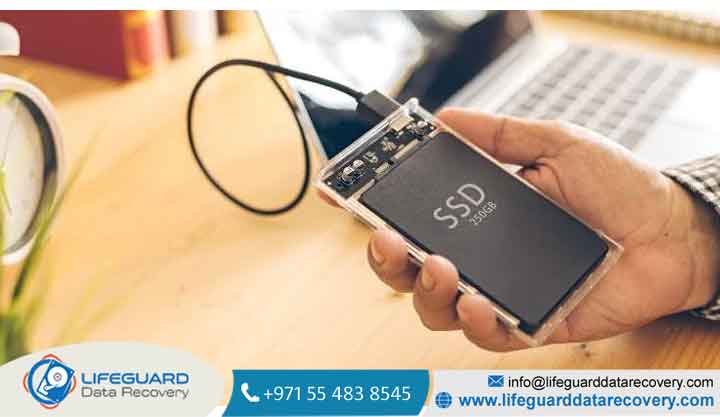
Discovering that critical documents, photos, or client backups have vanished from your external drive triggers instant panic. Whether caused by an accidental click, file system corruption, or a ransomware infection, data loss can derail your workflow.
However, a file marked as “deleted” is rarely gone immediately. When operating systems delete files, they simply mark the storage sector as available for new data. Until new information overwrites those sectors, your data remains recoverable.
This comprehensive guide walks you through the recovery process from standard DIY techniques to advanced protocols for ransomware-encrypted external hard drives.
Common Causes of External Hard Drive Data Loss
Understanding how data was lost determines the proper recovery method. Data loss falls into two distinct categories: Logical Loss (software/system errors) and Physical Failure (hardware damage).
Accidental Deletion and Formatting
Pressing Shift + Delete on Windows or clearing the Trash on macOS bypasses local recycle systems. Similarly, selecting the wrong drive letter during OS installation or disk partitioning leads to a formatted external drive where file structures are cleared.
File System Corruption and RAW Drives
Improper ejection (“yank-pulling” the USB cable during write processes) breaks disk headers. This turns your NTFS, exFAT, or APFS drive into an unreadable RAW file system, prompting Windows to display destructive errors like “You need to format the disk before you can use it.”
Ransomware Attacks and File Encryption
Modern ransomware actively scans for connected external storage, NAS devices, and USB flash drives. Once reached, it encrypts file headers using high-grade algorithms (e.g., AES-256 or RSA-4097), appends complex extensions (like .locked or .crypto), and destroys Volume Shadow Copies.
Immediate Emergency Protocol: What to Do First
Before attempting any recovery software or commands, follow these crucial “do no harm” steps:
Stop Writing New Data to the External Drive
Every browser download, temporary OS file, or copied photo requires disk write operations. Leaving an affected external hard drive active allows background system updates to overwrite deleted file blocks.
Isolate the Drive in Case of Ransomware Attack
If files feature unusual extensions or display ransom note text files, unplug the external drive’s USB cable immediately. Ransomware can spread laterally across networks and encrypt mapped cloud backups or secondary storage volumes.
Step-by-Step Solutions: Recovering Standard Deleted Files
Follow these methods in order, moving from non-intrusive native utilities to specialized deep-scanning tools.
Method 1: Check Windows Recycle Bin and Mac Trash
When an external drive is connected, operating systems maintain hidden trash repositories on the volume.
-
Windows: Open the Recycle Bin. If files are absent, connect the drive, open Command Prompt (
cmd), and type (replaceXwith your drive letter) to inspect hidden drive-specific trash folders. -
macOS: Connect the drive, open Trash, or press
Cmd + Shift + .in Finder to reveal hidden.Trashesfolders on the mounted volume.
Unhide Files via Command Prompt (CMD)
Malware often alters file attributes to make directories invisible rather than deleting them.
-
Press
Win + Xand select Terminal (Admin) or Command Prompt (Admin). -
Type the following command and press
Enter(replaceXwith your external drive letter):DOS
-
clears the Hidden attribute.
-
clears the Read-only attribute.
-
clears the System file attribute.
-
Use Native Backup Utilities (File History & Time Machine)
If you established automated backups prior to file deletion:
-
Windows File History: Search for Restore your files with File History, navigate to the external drive path, select target photos or documents, and click Restore.
-
macOS Time Machine: Connect your backup drive, launch Time Machine, scroll through snapshot timelines to locate lost files, and click Restore.
Scan with Data Recovery Software
When native tools find nothing, recovery tools read raw disk sectors to reconstruct file signatures.
-
Download Recovery Tools: Download reputable software (e.g., Disk Drill, EaseUS, or PhotoRec) onto your internal drive (C:) never onto the external drive itself.
-
Select Target Volume: Connect the external drive, launch the software, and select the disk or partition.
-
Execute Deep Scan: Allow the tool to complete its deep signature scan.
-
Preview and Export: Filter results by file type (e.g.,
.jpg,.docx,.pdf), preview healthy files, and save recovered data to a secondary physical storage device.
Advanced Guide: Recover Ransomware Encrypted Files
Ransomware does not simply delete data; it scrambles file contents. Standard undelete utilities cannot repair encrypted files because the raw bits themselves have been altered. Follow this specialized workflow:
Identify the Specific Ransomware Strain
Locate the ransom text file or inspect modified file extensions. Upload sample encrypted files and ransom notes to ID Ransomware (a free public analysis service) to identify the specific malware family (such as Phobos, LockBit, or STOP/Djvu).
Search for Official Free Decryptors
Never pay the ransom. Payment funds criminal operations and guarantees no return of files. Instead, visit The No More Ransom Project (an initiative by Europol, the Dutch National Police, and cybersecurity firms). Search their repository for public decryption keys matched to your ransomware strain.
Restore Files via Shadow Copies or Offline Backups
Certain basic ransomware variants fail to clear Windows Volume Shadow Copies on external media. Tools like ShadowExplorer allow you to browse historical system snapshots and extract clean copies of documents and photos created before the infection occurred.
Utilize Professional Ransomware Recovery Services
If no public decryptor exists and offline backups are unavailable, specialized enterprise services perform forensic reverse-engineering. They analyze key generation weaknesses, extract keys from system memory, or rebuild clean data structures.
DIY Software vs. Professional Data Recovery Services
Knowing when to stop DIY attempts prevents total data loss
For physically damaged hardware, seek out a accredited external hard disk recovery service featuring cleanroom facilities.
How to Prevent External Hard Drive Data Loss
-
Adopt the 3-2-1-1-0 Backup Rule: Keep 3 copies of your data, across 2 different storage media types, with 1 copy stored offsite, 1 copy air-gapped/offline (protected from ransomware), and 0 errors verified through routine restoration testing.
-
Monitor S.M.A.R.T. Health: Run disk diagnostic tools regularly. Watch for high reallocated sector counts or uncorrectable read errors.
-
Practice Safe Ejection: Always use “Safely Remove Hardware” or eject volumes before unplugging USB cables to protect file systems.
Frequently Asked Questions
Can you recover deleted files from an external hard disk for free?
Yes. Built-in OS options like Command Prompt Recycle Bin inspection, and free open-source software (like TestDisk or PhotoRec) allow full recovery without paying. Commercial software tools also offer free preview tiers.
Can files encrypted by ransomware be fully recovered?
Yes, provided an official decryption key exists on No More Ransom, clean air-gapped backups are available, or a forensic professional ransomware recovery firm exploits cryptographic implementation flaws.
What is the difference between recovering an HDD vs. an SSD?
Traditional HDDs retain deleted data in magnetic sectors until overwritten. External Solid State Drives (SSDs) utilizing the TRIM command permanently clear data blocks during idle maintenance, making software recovery on SSDs significantly more time-sensitive.
Is it safe to run CHKDSK on a corrupted external hard drive?
No, not before backing up. Running chkdsk /f on physically failing drives or corrupted tables can permanently modify file structures, turning recoverable files into unreadable .CHK fragments in the FOUND.000 directory.
How much does an external hard disk recovery service cost?
Logical software recovery services typically cost between while physical cleanroom repairs (head replacement, platter swaps) or complex enterprise ransomware cases range depending on drive capacity and damage severity.