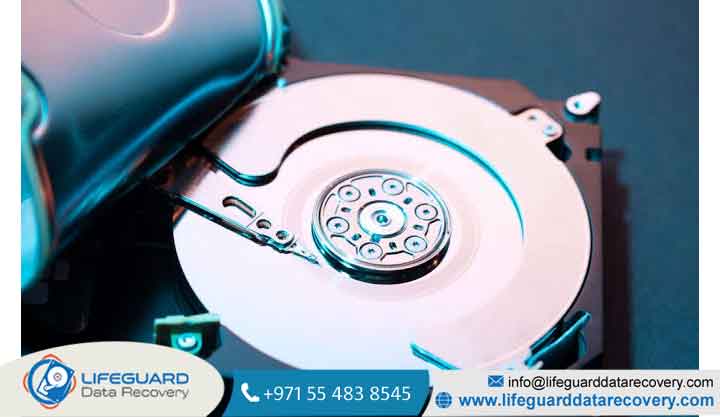
Hard drive failures are inevitable over a long enough timeline. Whether due to mechanical wear, electrical spikes, or environmental factors, magnetic storage media will eventually degrade. However, drive failure does not have to mean permanent data loss. By taking a proactive approach to hardware maintenance, monitoring telemetry, and implementing modern backup frameworks, you can safeguard your critical files against unrecoverable storage crashes.
Why Proactive HDD Maintenance Beats Data Recovery
When a hard disk drive (HDD) fails without a current backup, users are left with a single, costly recourse: professional cleanroom data recovery. While recovery labs achieve high success rates using specialized hardware tools, physical media extraction requires significant financial investment and time.
Learning how to prevent data loss from HDD failure through preventive maintenance and automated backup systems costs a fraction of recovery services while offering complete peace of mind. Implementing proper hardware handling, active telemetry checks, and power protection ensures your data remains resilient even when a drive reaches the end of its operational life.
Hard Drive Failure Overview: Mechanical Wear vs. Environmental Risks
To prevent hard drive data loss, it helps to understand how hard disk drives operate. HDDs rely on high-precision mechanical components: magnetic platters spinning at 5,400 to 15,000 RPMs while read/write head assemblies float nanometers above the media surface on a cushion of air.
Mean Time Between Failures (MTBF) and The “Bathtub Curve”
Drive failure probability generally follows the “Bathtub Curve” model:
-
Infant Mortality: Early failures caused by manufacturing defects or shipping damage within the first 3–6 months.
-
Useful Life: A period of low failure rates (Years 1 to 3).
-
Wear-Out Phase: Exponentially increasing failure rates (Years 4 and beyond) as mechanical bearings, lubricants, and read head actuators naturally degrade.
Mechanical vs. Non-Mechanical Threat Factors
Mechanical components wear out through physical motion over time, but non-mechanical threats such as dirty electrical power, sudden power drops, extreme ambient heat, and physical shocks can kill a brand-new drive instantly.
Top Causes of HDD Failure and Data Degradation
Understanding the primary drivers of drive instability enables targeted HDD failure prevention.
Thermal Stress and Excessive Operating Heat
Excessive heat is one of the primary catalysts for early hard drive failure. Continuous exposure to temperatures above 45°C degrades bearing lubricants, causes micro-expansion of magnetic platters, and stresses controller micro-chips on the Printed Circuit Board (PCB).
Power Spikes, Sudden Outages, and Dirty Power
Abrupt power losses during active disk write operations can cause heads to drop onto spinning platters before safely parking. Additionally, voltage surges can blow transient voltage suppressor (TVS) diodes or scorch motor controller integrated circuits (ICs) on the PCB.
Physical Vibration and Environmental Shock
Rotational vibration caused by cooling fans or adjacent spinning drives in multi-bay Network Attached Storage (NAS) units can cause read/write heads to mistrack. External shocks (such as bumping a desktop case while the drive is active) risk direct platter contact.
Bit Rot and Silent Data Corruption
Drives left unpowered in cold storage for years suffer from magnetic charge decay, commonly referred to as “bit rot.” Over time, ambient background radiation and thermal fluctuations weaken magnetic orientation, causing silent file corruption.
Recognizing Early Signs of HDD Failure Before Data Is Lost
Recognizing the early signs of HDD failure provides a critical window of opportunity to copy data before the drive becomes completely unreadable.
Key S.M.A.R.T. Monitoring Attributes to Watch
Self-Monitoring, Analysis, and Reporting Technology (S.M.A.R.T.) telemetry built into hard drive microcode tracks operational health metrics. Periodically check an HDD health check utility for these critical flags:
-
Attribute 05 (Reallocated Sectors Count): Shows the number of damaged sectors that have been remapped to spare sectors. Any non-zero, rising value indicates platter degradation.
-
Attribute 197 (Current Pending Sector Count): Indicates unstable sectors waiting to be remapped due to read errors.
-
Attribute 198 (Offline Uncorrectable Sector Count): Represents uncorrectable read/write errors. Higher numbers signal imminent read head or platter failure.
Operational Anomalies: Noises, Freezes, and Slow Read/Write Speeds
-
Auditory Signals: Repetitive clicking, high-pitched whining, or buzzing noises mean physical component failure.
-
Operating System Freezes: System hangs during file access often indicate that the drive controller is stuck in an infinite internal read-retry loop.
-
Corrupted Files: Files failing to open or displaying CRC (Cyclic Redundancy Check) errors indicate spreading bad sectors.
Step-by-Step Guide: How to Prevent Hard Drive Failure and Protect Data
Following a structured protection routine is the most effective strategy on how to prevent hard drive failure from destroying your critical files.
Implement the Modern 3-2-1-1-0 Backup Rule
To protect data from HDD failure, move beyond basic single-drive copies by establishing an enterprise-grade backup architecture:
-
3 Copies of critical data (1 primary operational copy + 2 backup copies).
-
2 Different storage media types (e.g., internal HDD + cloud storage or external LTO tape/SSD).
-
1 Copy stored in an offsite location.
-
1 Copy kept completely offline, air-gapped, or immutable (protected against ransomware).
-
0 Errors verified via regular automated restore testing.
Deploy Uninterruptible Power Supplies (UPS) and Surge Protectors
Connect desktop systems and NAS storage arrays to a line-interactive Uninterruptible Power Supply (UPS). A quality UPS conditions incoming line voltage to prevent power sag damage and provides emergency battery runtime. Configure automated USB shutdown scripts so your operating system gracefully unmounts storage volumes before the battery runs out.
Optimize Thermal Management and Case Airflow
Ensure active intake fans blow cool air directly across drive cages inside computer chassis or NAS enclosures. Maintain drive operating temperatures between 25°C and 40°C. Clean dust filters regularly to prevent heat buildup.
Mitigate Mechanical Vibration and Ensure Gentle Handling
-
Secure hard drives using anti-vibration rubber grommets inside drive bays.
-
In multi-drive enclosures, use specialized NAS or Enterprise HDDs equipped with Rotational Vibration (RV) sensors.
-
Never tilt, move, or jar an external hard drive enclosure while its status LED indicates active platter movement.
Perform Regular File System and Software Maintenance
To avoid data loss from hard drive failure caused by logical errors:
-
Run scheduled disk integrity utilities (such as
chkdsk /forfsck) to clean up logical file table corruption. -
Use ZFS or Btrfs file systems for local or network storage where possible, as they offer automated background data scrubbing to detect and repair bit rot.
HDD Maintenance Tips for Long-Term Storage Reliability
Applying consistent HDD maintenance tips extends hardware life and protects long-term archives.
Handling Cold Storage and Archival HDDs
Drives kept in storage drawers as cold backups should not sit unpowered indefinitely. Power on archival HDDs every 6 to 12 months for at least 30 minutes. This redistributes mechanical bearing grease and allows the drive to perform background surface scans, refreshing magnetic orientation on the platters.
When to Proactively Retire and Replace Ageing Hard Drives
Hard drives operating in environments (like home servers or NAS units) reach their statistical wear-out phase between 3 and 5 years of power-on time. Proactively replacing aging drives during routine rolling upgrades prevents emergency rebuilds under degraded array conditions.
Frequently Asked Questions
How long does a typical hard drive last before failing?
Under normal operating conditions, a standard consumer desktop hard drive lasts between 3 and 5 years. High-end enterprise drives used in temperature-controlled environments often operate reliably for 5 to 7 years.
Can software prevent a mechanical hard drive failure?
No. Software cannot repair worn mechanical bearings, damaged read/write head assemblies, or physical platter scratches. However, S.M.A.R.T. monitoring software provides early warnings so you can back up data before the drive fails completely.
Is formatting a hard drive periodically good for HDD health?
Formatting clears logical file structures and removes software clutter, but it does not reduce physical mechanical wear or fix hardware defects. In fact, full (non-quick) formatting subjects every sector to write passes, adding minor mechanical stress.
Does turning a computer off every night extend HDD lifespan?
Powering down reduces total spin hours and saves energy, but frequent power cycling introduces thermal expansion and contraction cycles on component soldering. For drives accessed daily, letting the OS spin down idle drives automatically is ideal.