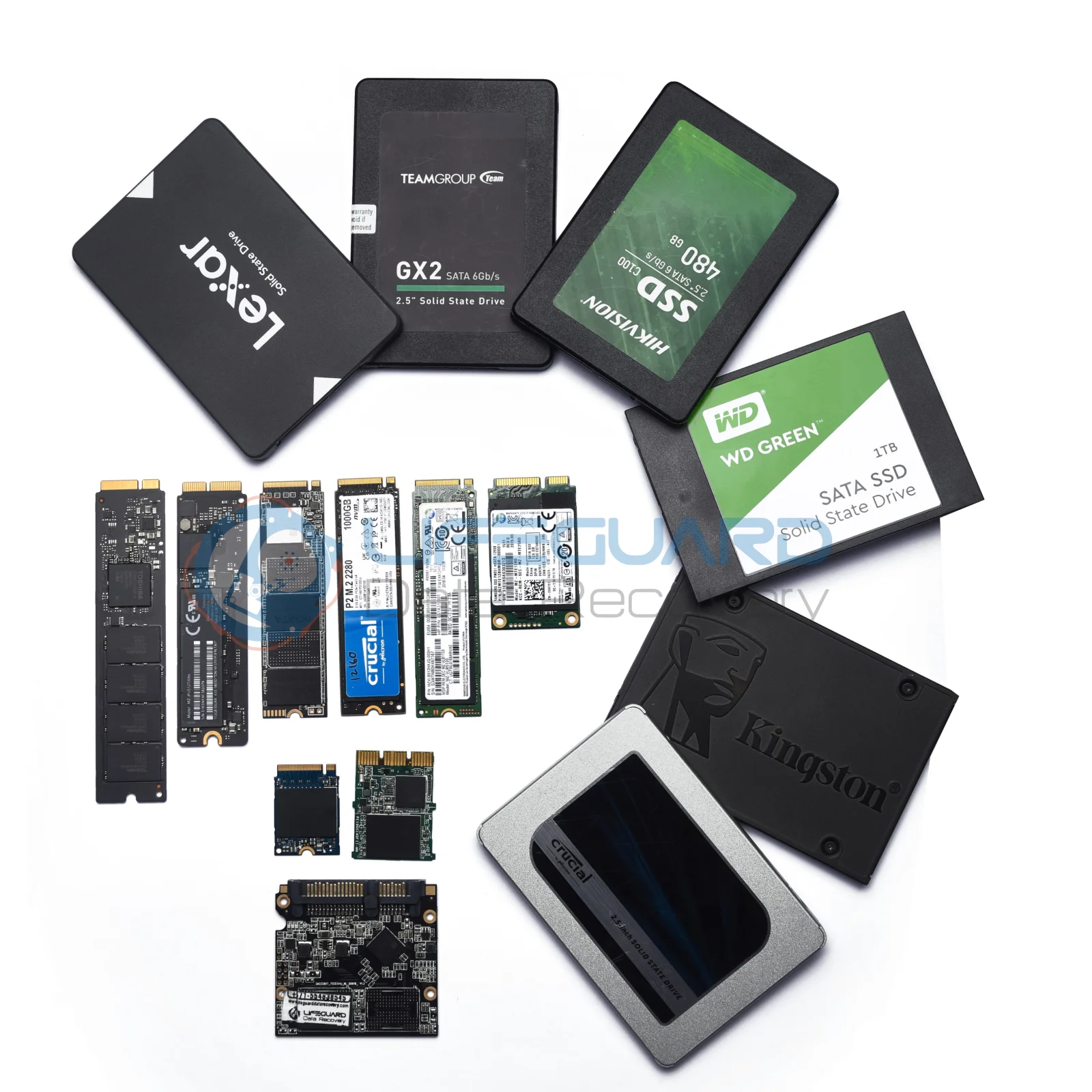
What Causes SSD Slowdowns and How to Fix Them
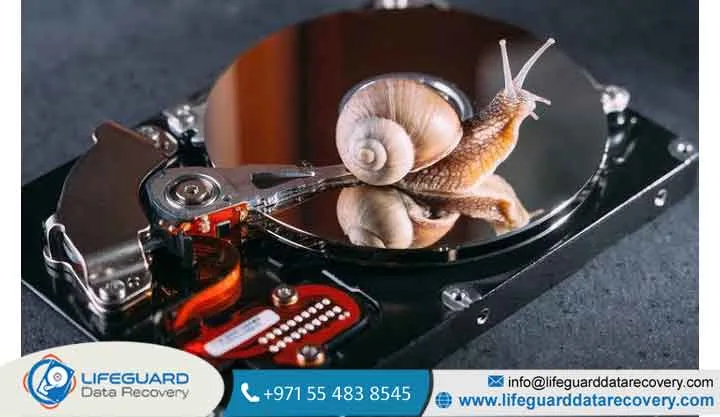
An SSD is designed to provide fast read and write performance, quick boot times, and smooth file access. However, an SSD

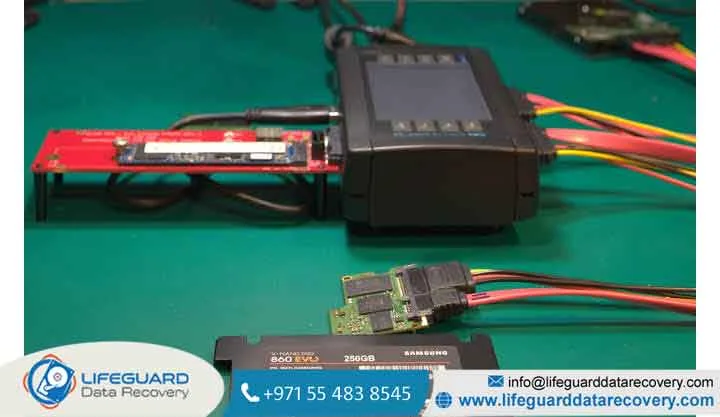
Learn how to recover important files from a non-working SSD, understand common SSD failure causes, and discover safe recovery methods.
Learn how NAND flash memory affects SSD performance, speed, durability, and data recovery. Understand NAND wear, memory degradation
When SSD NAND memory fails, the drive may become extremely slow, show incorrect capacity, display errors, or stop being
A dead SSD controller can make a drive completely inaccessible, but your data may still be recoverable. Professional data recovery
Accidentally deleting a hard drive or SSD partition can make important files appear to be lost, but the data may still be recoverable
A hard drive can become extremely slow due to bad sectors, file system corruption, low storage space, fragmentation
An unreadable partition can make important files seem inaccessible, but recovery may still be possible. Data can often be recovered
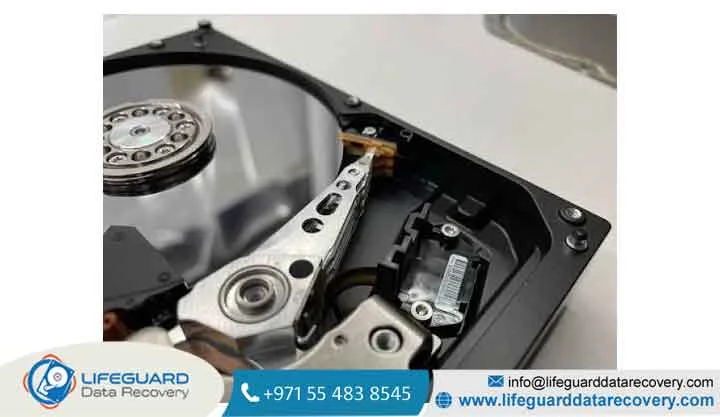
Sudden HDD head failure can occur due to physical impact, overheating, excessive vibration, power problems, mechanical wear, or damage