Common Causes of Data Loss in Servers
Common Causes of Data Loss in Server | Raid | and NAS. Data loss is scary for any person or group who uses technology to keep useful information. Knowing how and where data loss happens in servers, RAID systems, and NAS can assist in taking preventive measures and planning effective data recovery.

Common Causes of Data Loss in Server | Raid | and NAS. Data loss is scary for any person or group who uses technology to keep useful information. Knowing how and where data loss happens in servers, RAID systems, and NAS can assist in taking preventive measures and planning effective data recovery. This writing clarifies these issues in depth and explains how data loss can happen and what the possible measures are that can be taken to avoid such
loss.
Data Loss in Servers are crucial for managing, storing and processing data for businesses or organizations. They handle everything from websites and databases to file sharing and email communications.
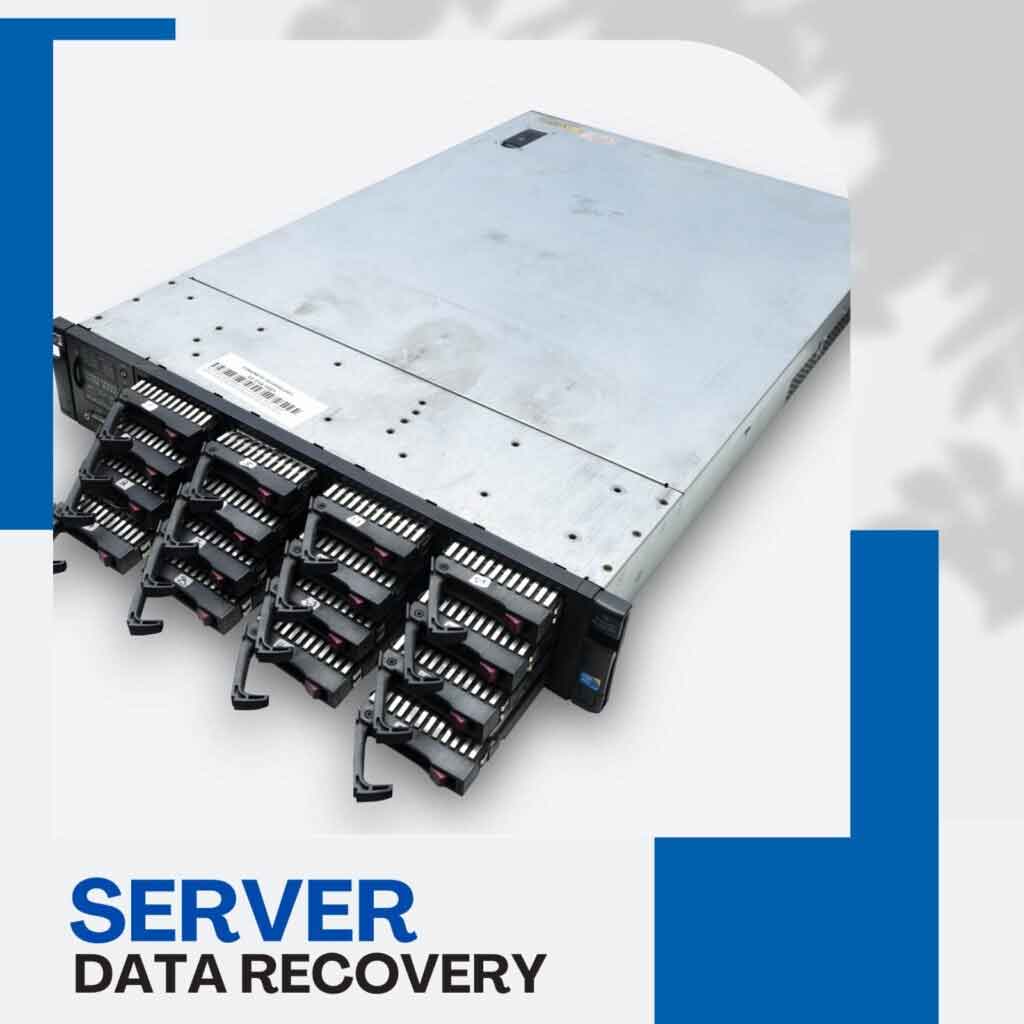
However, several factors contribute to data loss in servers:
1. Hardware Failures Hard Drive Failures:
Hard drives in servers are likely to experience mechanical failures, which can result in data loss.
Power Supply Issues: An unstable power supply can lead to unexpected shutdowns, which can cause data corruption or loss.
Motherboard Failures: Problems with the motherboard or other critical components can disrupt the server’s ability to read or write data correctly.
2. Human Error Accidental Deletion:
Users may accidentally delete important files or data. Without proper backup procedures, these deletions can lead to significant data loss.
Misconfiguration: Incorrect settings or configurations can result in data being lost or becoming inaccessible. For example, misconfigured permissions may prevent access to critical files.
Data Corruption: Human errors during data handling or software updates can lead to corruption of files or databases, making data recovery difficult.
3. Software Issues Operating System Crashes:
Problems with the server’s operating system can lead to data loss, mainly if the crash affects the system files or critical applications.
Application Failures: Software bugs or failures in applications that are running on the server can cause data corruption or loss.
Virus and Malware: Malicious software can infect servers and cause data loss through corruption, deletion or encryption.
4. Natural Disasters: Fire and Flooding:
Physical damage from natural disasters, such as floods or earthquakes that can destroy servers and also data.
Environmental Factors: Some issues like excessive heat, humidity or dust can contribute to hardware failure and data loss.
Data Loss in RAID Systems. RAID is designed to enhance data reliability or performance by using multiple hard drives.
Primarily, its advantages, RAID systems are not immune to
data loss:
1. RAID Configuration Errors: Incorrect RAID Setup:
Errors in RAID configuration can lead to data loss. For example, setting up RAID 0 without proper understanding can result in complete data loss if one of it drive fails.
RAID Controller Failures: The RAID controller manages data distribution across drives. A failure or malfunction of the RAID controller can cause data loss or corruption.
2. Drive Failures Multiple Drive Failures:
In RAID setups like RAID 5 and RAID 6 the failure of multiple drives are beyond the system’s redundancy capability can lead to data loss.
Rebuilding Issues: If another drive fails during the RAID rebuild process and complications arise with the rebuild operation where it can lead to significant data loss.
3. Data Corruption Corrupted Parity Data:
In RAID systems that use parity in which the corrupted parity data can lead to data corruption or loss when the array is rebuilt.
Firmware Issues: Problems with the firmware of RAID controllers or drives can causes data corruption or loss. Data Loss in NAS Systems NAS (Network Attached Storage)
offers a unified storage solution that can be accessed across a network.