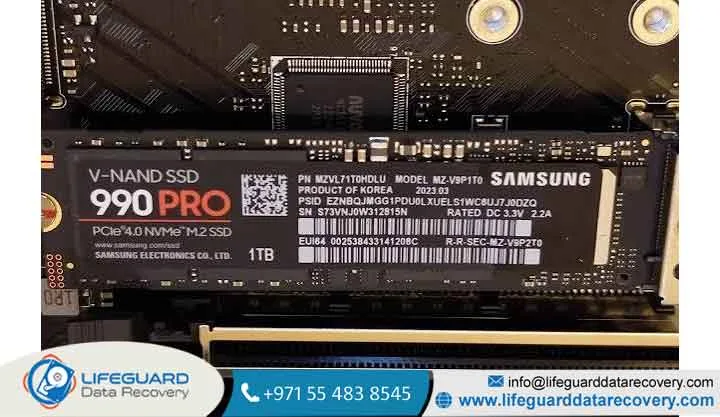
What Happens When an NVMe Drive Disappears from BIOS
When an NVMe drive suddenly disappears from BIOS, it means the computer is no longer detecting the SSD at the hardware level.
Writer and publisher on LifeGuard Data Recovery.
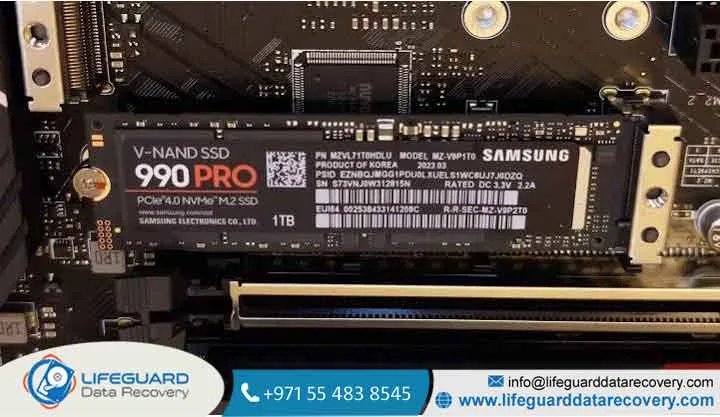
When an NVMe drive suddenly disappears from BIOS, it means the computer is no longer detecting the SSD at the hardware level.

An SSD may become extremely slow before failure due to NAND flash wear, bad blocks, controller problems, firmware corruption
An SSD can sometimes be recovered after a power surge, depending on the extent of the electrical damage. A surge may affect the SSD
When SSD NAND memory fails, the drive may become extremely slow, show incorrect capacity, display errors, or stop being
A dead SSD controller can make a drive completely inaccessible, but your data may still be recoverable. Professional data recovery
When a hard disk drive (HDD) fails, professional data recovery experts use specialized diagnostic methods to identify the exact cause
An SSD can suddenly become read-only due to firmware issues, controller problems, NAND flash wear, file system errors,
Accidentally deleting a hard drive or SSD partition can make important files appear to be lost, but the data may still be recoverable
A hard drive can become extremely slow due to bad sectors, file system corruption, low storage space, fragmentation